Quiz Win: Play For Real Reward
QuestTechTrivia
4.342.00 Reviews
- Version
- 1.8.6
- Installs
- 500.00K
- Age Rating
- Everyone
Screenshots
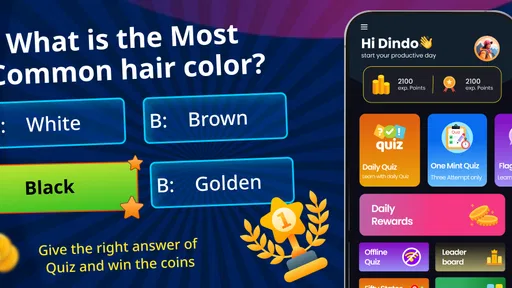
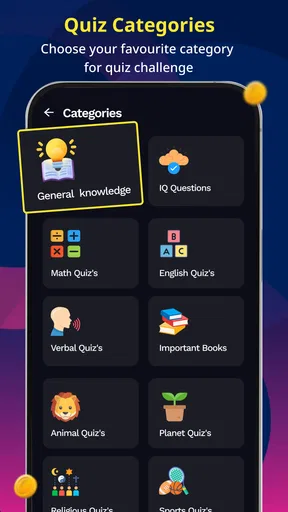
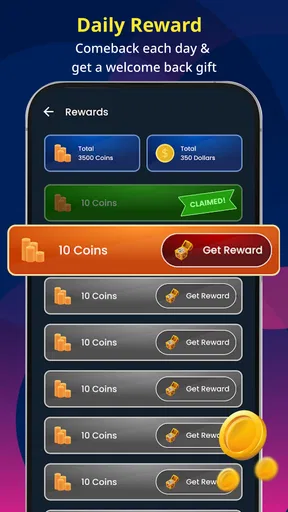
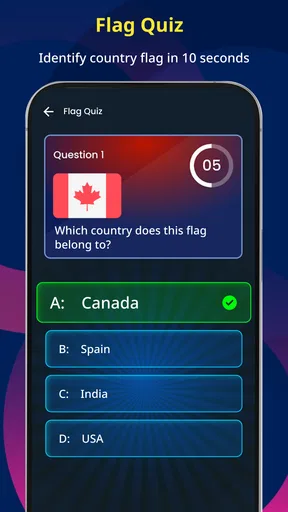
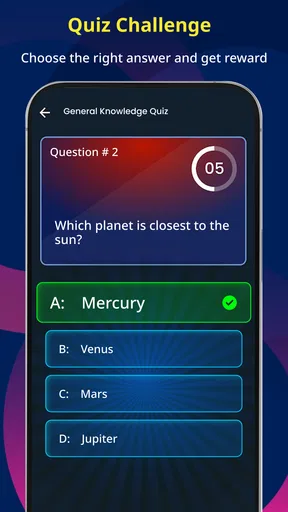
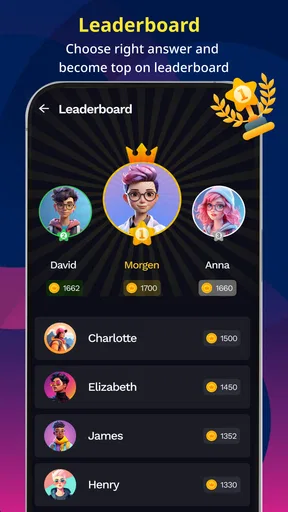
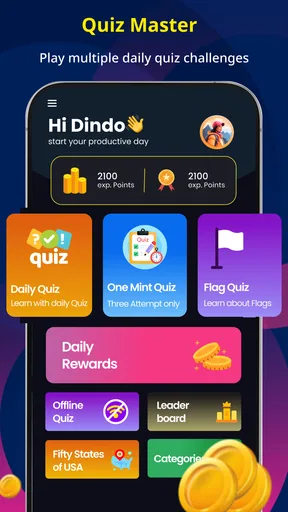
Our Review of Quiz Win: Play For Real Reward
 Analysis by Appyee
I spent time with Quiz Win: Play For Real Reward as a casual trivia game, and my first impression was straightforward: it is built for people who enjoy answering questions in short bursts and like the idea of turning quiz activity into a reward-focused experience. The game comes from QuestTech, is free to download, and sits in the trivia category rather than presenting itself as a broad educational platform.
That distinction matters. I would not approach this as a complete course, a serious study tool, or a replacement for a dedicated quiz community. Its appeal is the quick question-and-answer loop. You open it when you have a few spare minutes, test what you know, and decide whether the reward angle makes the session more interesting. The store summary presents unlimited quiz prizes, but I think the sensible way to judge it is by the quality and consistency of the quiz experience first, with rewards treated as a possible extra rather than the only reason to play.
How the trivia experience feels in everyday use
The game is most naturally suited to small gaps in the day. I can imagine using it while waiting for an appointment, taking a short break, or looking for something more active than scrolling through a social feed. A trivia round gives that idle time a clear purpose: read a question, choose an answer, learn whether the choice worked, and continue while the session still feels fresh.
That short-session design is also what makes the game approachable. You do not need to arrange a group of friends or prepare a long evening of play. Someone who enjoys general-knowledge questions can pick it up alone and see how far their knowledge carries them. The Everyone content rating also makes it a reasonable option for households looking for accessible trivia, although younger players should still use any reward-oriented game with an adult’s guidance.
QuestTech has positioned the title around the simple phrase “Quiz Win,” and the name tells you more about the intended mood than a complicated feature list would. This is meant to feel immediate. The game does not need an elaborate story or a large collection of characters to make a quiz session work. Its central question is whether answering questions remains enjoyable when the possibility of a reward is placed beside it.
What makes the reward angle useful
The reward framing can provide a little extra motivation when ordinary trivia games start to feel repetitive. If I am choosing between opening another passive app and answering a few questions, a reward-oriented structure gives the quiz a clearer purpose. It may also encourage players to return more often, especially when they enjoy tracking improvement or testing themselves across different subjects.
Still, I would keep expectations measured. A reward promise should not automatically be treated as guaranteed income, and it should never be a reason to spend money without understanding the terms. The game is free, which lowers the barrier to trying it, but “free” does not by itself explain how rewards work, how eligibility is handled, or whether every player experiences the same path. Those are important questions for anyone who installs it mainly for prizes.
My practical advice is to begin as a trivia player rather than as a reward hunter. Play enough to understand the question flow, notice how progress is presented, and read any in-game explanation connected with rewards before making decisions. If the quiz itself is not enjoyable, the reward theme is unlikely to make the experience satisfying for long.
Progress can motivate, but it can also add pressure
Trivia games often become less relaxing when every answer feels tied to progress. A wrong choice can feel more serious when the player believes it might delay a reward, even though mistakes are a normal part of learning. I prefer to treat each round as practice and avoid rushing simply because the game uses a win-focused identity.
That approach is especially useful for players who are strong in one subject but less confident in another. General trivia can expose gaps quickly, and a player may be tempted to guess repeatedly just to keep moving. A better routine is to slow down on unfamiliar questions, remember the correct answer when possible, and judge progress by improved knowledge as well as any visible reward path.
One non-obvious advantage of this kind of game is that it can reveal how you make decisions under uncertainty. Do you choose the first answer that looks familiar, eliminate obviously wrong options, or spend time comparing similar choices? Noticing that habit can make later rounds more thoughtful. The trade-off is that deliberate play takes longer, so it may not suit someone who wants only rapid-fire entertainment.
A realistic daily routine
For an everyday example, I would use it during a ten-minute lunch break rather than leaving it open for a long session. I could play a few questions, stop before the break ends, and return later when I genuinely wanted another mental challenge. This keeps the reward idea in proportion and prevents the game from turning a short pause into an obligation.
I would also avoid playing while distracted. Trivia questions are easy to misread when notifications, conversation, or travel are competing for attention. If a reward-related decision appears, I would wait until I could read the wording carefully. That small habit protects both the quality of the quiz and my understanding of any conditions attached to the activity.
Fairness, spending, and what a careful player should check
Fairness is the area I would examine most closely before recommending the game for its reward promise. A quiz can feel fair when questions are understandable, answer choices are presented consistently, and success depends mainly on knowledge rather than on unclear requirements. From a player’s perspective, the important issue is not just whether a prize is mentioned, but whether the route toward it is clear enough to evaluate.
I would look for plain explanations of eligibility, completion requirements, reward timing, and any restrictions. If the game presents a progress target, I would want to know exactly what counts toward it. If it uses a contest-like structure, I would want the rules to be easy to find and read. These checks are more useful than assuming that a high number of downloads automatically proves that every reward experience is identical.
The game has passed the half-million-install mark and carries an average rating of 4.3 from around sixteen thousand ratings. Those figures suggest that many people have been willing to try it and that the overall response has been positive, but they do not settle questions about individual reward outcomes. Ratings can reflect the quiz experience, the interface, expectations, or many other parts of the product. I would use them as a starting signal, not as proof of a particular financial result.
Spending deserves the same careful treatment. The game is listed as free, so I can try the core download without paying an entry price. That does not answer every possible question about purchases or optional spending inside the experience, so I would read each screen before confirming anything that could charge money. A free installation is a useful low-risk way to inspect the game, but it is not a reason to assume that every later action is cost-free.
My rule would be simple: never spend money to chase a reward, never share sensitive information casually, and never treat quiz play as dependable earnings. If the game remains enjoyable without spending, that is a healthier basis for using it. If the reward path becomes confusing or starts encouraging urgency, I would stop and reassess rather than continuing because of time already invested.
Is competition likely to feel equal?
Competitive trivia is fairer when players understand what they are competing against. If everyone receives comparable questions and has the same opportunity to answer, knowledge can remain the main differentiator. If the experience depends on unclear timing, hidden conditions, or information that is difficult to locate, the player may feel that the result is being shaped by the system rather than by quiz skill.
I would therefore separate two ideas that are easy to mix together: personal progress and competition. Improving your own accuracy is usually easy to understand. Competing for a reward requires more context, because the result may depend on rules, eligibility, or the behavior of other players. A player who wants a pure test of knowledge may prefer a conventional trivia app with visible scoring and no reward pressure.
There is also a social fairness issue around different levels of background knowledge. A general quiz can favor players who have spent years consuming particular kinds of media, following sports, or studying certain subjects. That is not automatically unfair, but it means a low score should not be interpreted as a lack of intelligence. I would use the game to identify subjects to learn, not to make broad judgments about myself or anyone else.
What I would verify before trusting the reward system
The most important unknowns are the practical details surrounding rewards. I would want to see how a player qualifies, whether there are limits or conditions, how a successful claim is handled, and what information is required. I would also check whether the wording distinguishes clearly between a potential reward and a guaranteed result.
I am deliberately cautious here because a responsible review should not fill gaps with guesses. The game’s reward-focused presentation is clear, but a careful player still needs to inspect the current in-app explanations before relying on it. Rules can be updated, and the version currently listed is 1.8.6, so I would pay attention to the wording shown in the version installed on my device rather than relying on screenshots or second-hand descriptions.
That version is compatible with devices running Android 6.0 or later. For an older phone, checking the operating-system requirement before installing saves time. On a newer device, compatibility is less likely to be the deciding factor; the more important decision is whether the player is comfortable with the reward model and the amount of attention it demands.
Another useful check is to read the question carefully before answering, especially when two options appear almost identical. Reward pressure can make players tap quickly, and that creates a disadvantage that has nothing to do with knowledge. I would treat accuracy and understanding as more important than speed unless the rules clearly make timing part of the challenge.
Who should try it, and who should choose another trivia game?
I think it is a good fit for casual players who like general trivia, enjoy short sessions, and are curious about a reward-oriented format. It also works for someone who wants a low-commitment mental break and does not need a large multiplayer community to stay interested. The free price makes experimentation easy, and the Everyone rating broadens its potential audience.
I would be more cautious about recommending it to anyone looking for guaranteed financial returns, formal learning progress, or a deeply transparent competitive system. A dedicated educational app is likely better for structured study, spaced review, and measurable subject mastery. A traditional quiz game may be preferable for players who want clean scoring without the distraction of prizes. Someone who dislikes uncertainty around eligibility or reward conditions should also skip this format.
It may not be ideal for players who become frustrated by wrong answers or feel compelled to continue after a poor round. The reward theme can make ordinary mistakes feel more costly, even when the game is supposed to be casual. I would recommend setting a personal stopping point before playing. That might mean ending after a short session or leaving when the quiz stops feeling fun, rather than chasing a better result.
My trust verdict after weighing the trade-offs
My overall view is cautiously positive. Quiz Win: Play For Real Reward is easy to understand as a concept: answer trivia questions, keep playing, and explore a reward-centered experience. QuestTech has made it accessible as a free game, and its broad audience positioning makes it approachable for casual use. The install count and rating show that it has attracted substantial interest, while the quiz format gives it a practical role in short breaks.
But I would recommend it as a trivia game with a reward angle, not as a substitute for income. That distinction protects expectations. The strongest reason to keep it installed is that you enjoy answering questions and find the extra motivation appealing. The weakest reason is the hope that it will reliably produce money or prizes without careful attention to rules.
Before using any reward feature, I would read the current terms in the app, avoid spending, and make sure I understand what action is being requested. I would also keep personal information limited to what is genuinely necessary and stop if instructions become unclear. Those habits are not a criticism of this particular game; they are sensible safeguards whenever entertainment and rewards appear together.
In the end, I would recommend giving it a fair trial to people who want lightweight trivia and are comfortable judging the reward system for themselves. I would not recommend installing it solely because of the promise implied by its name. The best way to use it is to let the quiz remain valuable even when the reward is not the main reason you opened the app. If that balance works for you, the game can make spare minutes more engaging. If you need certainty, structured learning, or a completely competition-first experience, another trivia option will probably suit you better.
Verdict
Strengths of Quiz Win: Play For Real Reward
- Quick quiz rounds are convenient for short breaks.
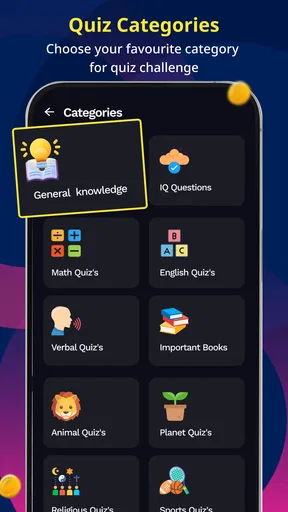
- Questions cover multiple topics, keeping sessions varied.
- Simple controls make the app easy for beginners to use.
- Progress and rewards can encourage regular play.
- The competitive format adds excitement to familiar trivia.
Limitations of Quiz Win: Play For Real Reward
- Cash rewards may depend on eligibility and regional availability.
- Some quizzes may feel repetitive after extended play.
- An internet connection may be required for most features.
- Advertisements can interrupt gameplay or reduce the pace.
- Reward withdrawals may involve minimum thresholds or processing delays.
Similar Picks in This Category
View All
Millionaire 2026 Quiz & Trivia
Quiz & Trivia Games by Submarine Apps4.5

Brain Test 2: Tricky Stories
Unico Studio4.7

Trivia Crack: Brain Quiz Games
etermax4.4

QuizzLand. Quiz & Trivia game
Quiz & Trivia Games by Mno Go Apps4.8

Brain Test: Tricky Puzzles
Unico Studio4.7

Logo Quiz
bubble quiz games4.5
Frequently Asked Questions
What is Quiz Win: Play For Real Reward?
Quiz Win: Play For Real Reward is a trivia-style mobile game where you answer questions across different topics while competing for points, prizes, or other rewards. The app is designed for users who enjoy quick knowledge challenges and leaderboard-based gameplay. Before downloading, review the current prize rules, supported countries, and eligibility requirements, since available features may vary by location.
Can you really earn real rewards by playing Quiz Win?
The app may offer opportunities to receive real rewards, but winning is not guaranteed and generally depends on your quiz performance, rankings, promotions, and the specific reward terms. Some rewards may also require reaching a minimum balance or completing verification. Read the official conditions carefully and do not treat the game as a reliable source of income or spend money expecting a guaranteed return.
Is Quiz Win: Play For Real Reward free to download and play?
Quiz Win: Play For Real Reward may be available as a free download, although the exact model can include advertisements, optional purchases, or other in-app features. A free installation does not always mean that every function is completely free. Check the app-store listing for current pricing, subscription details, payment terms, and whether any purchase is required to access particular competitions or rewards.
How are rewards claimed, and what information may be required?
Reward redemption procedures can differ depending on the country, prize type, and current promotion. The app may require users to reach a minimum threshold, verify their identity, and provide an eligible payment or payout account. Before submitting personal or financial information, confirm that the details are requested inside the official app and read the privacy policy to understand how that data is handled.
Is Quiz Win: Play For Real Reward safe for children and all users?
The game may be suitable for casual trivia fans, but parents should check its age rating, advertising practices, data permissions, and reward-related terms before allowing children to use it. If the app includes cash prizes, payments, chat features, or external payout services, age and regional restrictions may apply. Download it only from an official store and avoid unofficial modified versions.
Play our best games!


